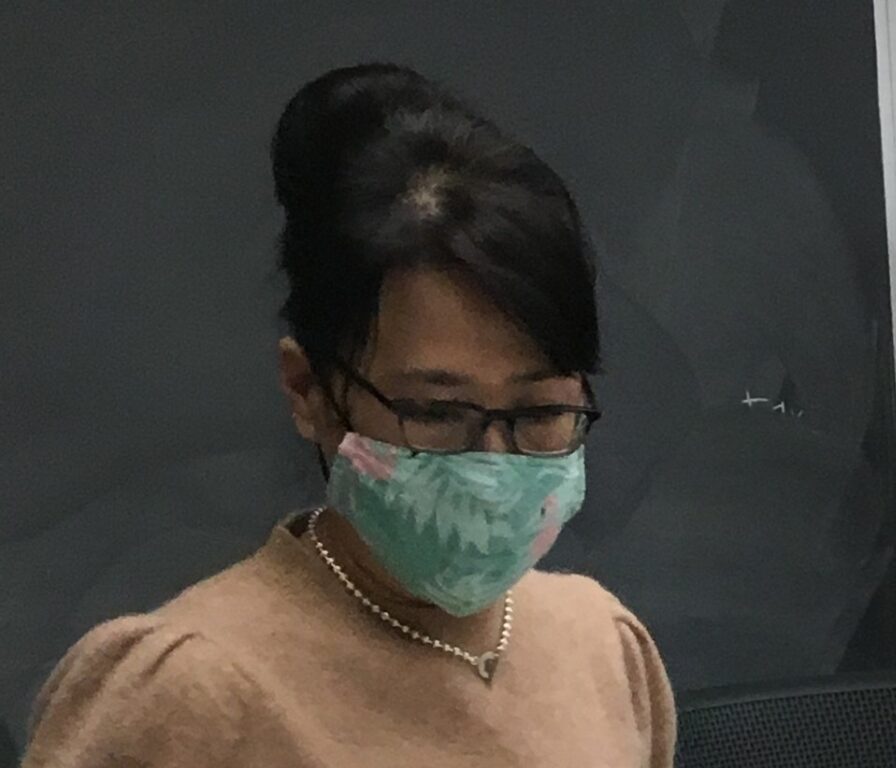
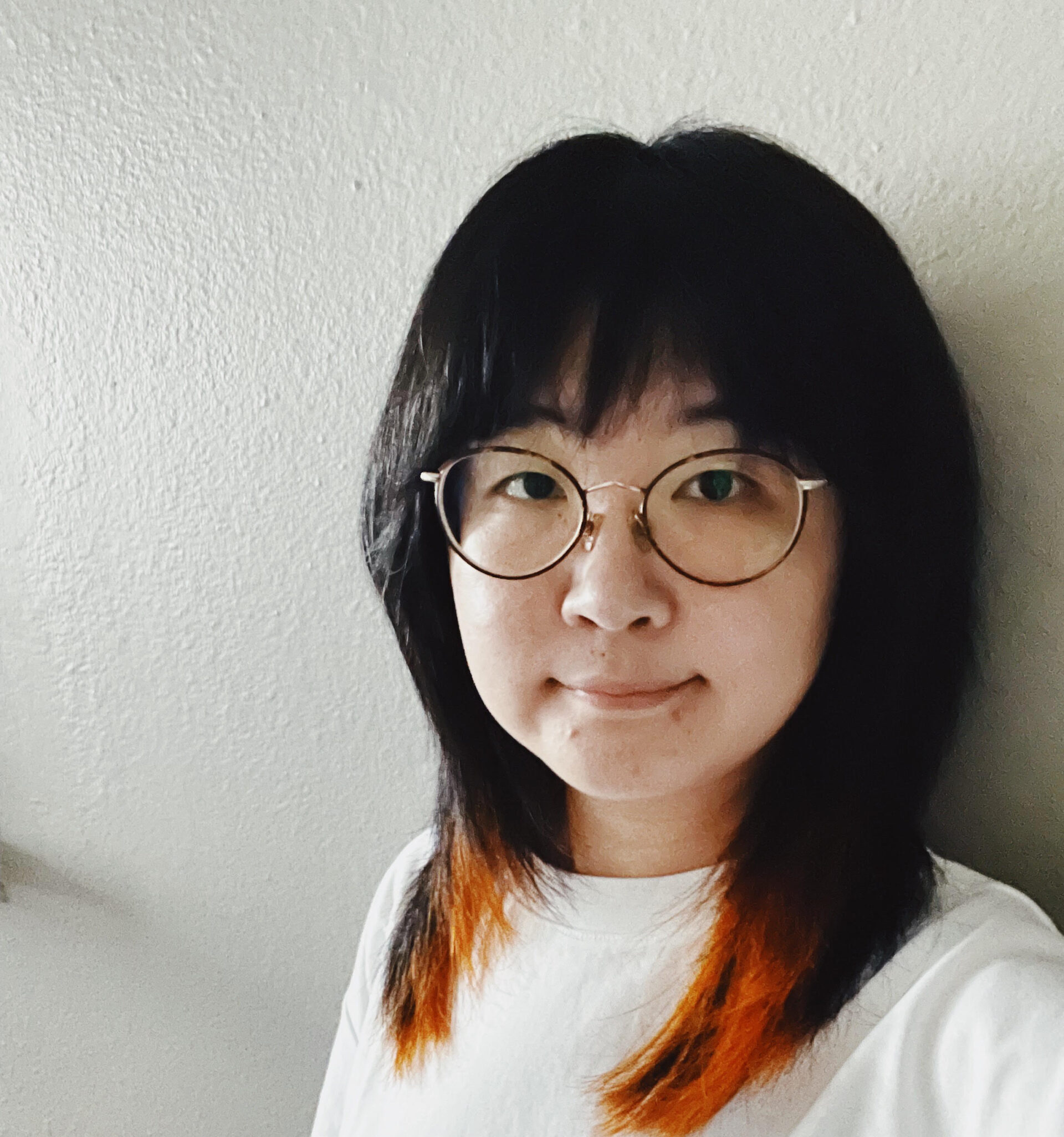
Bing Wang has been the Chinese Studies Librarian and an Assistant Professor at the at University of Illinois Urbana-Champaign since September 2023.
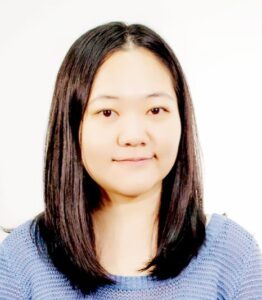
How did your journey in working with East Asian libraries and collections begin? Were there any opportunities that encouraged you to step into the East Asian Studies Librarianship?
My path into Chinese Studies librarianship might be somewhat different from that of many of my colleagues. I hold a Ph.D. in Art History, with a research focus on the histories of photography in China as well as modern and contemporary Chinese art and visual culture. Before becoming a librarian, I worked extensively in curatorial roles involving photography collections in museum settings. I assisted with exhibitions on Chinese and Asian photography and contributed my subject expertise to the development and management of museum collections and museum library collections. Through these experiences, I became increasingly familiar with the work of Chinese Studies librarians and the vital roles they play in supporting research, teaching, collection development, and outreach. These opportunities ultimately inspired me to pursue a career in East Asian Studies librarianship, where I could combine my academic background, curatorial experience, and passion for supporting scholarship and knowledge creation.
What do you enjoy most about your career in East Asian librarianship so far?
What I enjoy most about East Asian librarianship is the opportunity to connect the past, present, and future through collections and services that support research and learning. China and East Asia are regions with rich and complex histories, and they are also at the center of many of today’s most important global developments, from geopolitics and economic transformation to technological innovation. As a Chinese Studies librarian, I find it especially meaningful to help build collections that document both the historical foundations and the contemporary realities while also preserving resources that will help future scholars understand the world of tomorrow. I am particularly inspired by the opportunity to support students, researchers, and educators whose work contributes to a deeper understanding of East Asia. In doing so, East Asian librarianship plays an important role in cultivating globally minded scholars and future leaders who can engage thoughtfully with an increasingly interconnected world.
What excites you in the development of East Asian librarianship in the future?
What excites me most about the future of East Asian librarianship is its growing potential to expand access to knowledge through technology, collaboration, and innovation. Large-scale digitization, digital humanities, and emerging AI tools are transforming how researchers discover and engage with East Asian collections, making rare materials more accessible and enabling new forms of scholarship. At the same time, increased collaboration among libraries, archives, museums, and research institutions is strengthening resource sharing and broadening access to collections. As a result, the role of East Asian librarians is evolving beyond collection management to include research partnerships, digital scholarship, and knowledge creation. I look forward to contributing to this exciting future.
Looking back, what advice would you give to yourself when you were first entering the profession?
Looking back, the advice I would give my younger self is to have greater confidence in the future of technology. Whenever I have the opportunity to document historical materials, I should preserve them as thoroughly as possible, even if I cannot fully interpret them at the time. Technologies evolve, and tools that do not yet exist may one day make such materials accessible and meaningful. I am reminded of some handwritten correspondence I encountered years ago. Because the script was extremely difficult to decipher, I chose not to document it in detail—a decision I now regret. Today, advances in image processing, handwriting recognition, and AI-assisted transcription can recover information from sources that once seemed unreadable. That experience taught me that describing and preserving historical materials as thoroughly as possible is often more important than being able to interpret/transcribe them immediately. While interpretation can improve as technology advances, missed opportunities to preserve essential information may be impossible to recover.